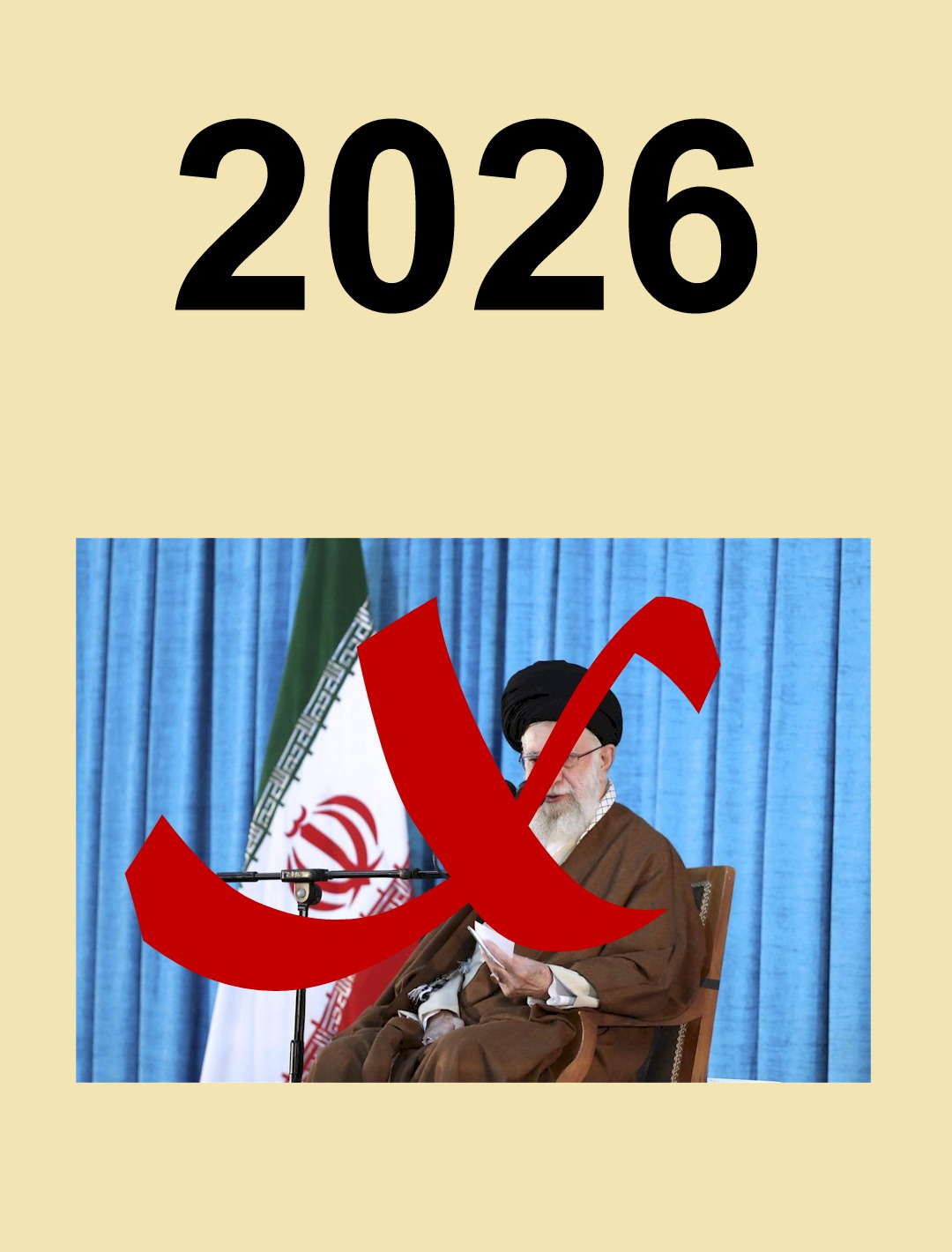
Was 1935 the worst year in history? Why 1935? What happened that year?
Very little of significance. And that is precisely why it was such a bad year. Not for what was done – but for what was not done that could have been done.
1935 was the year that Hitler began in earnest to try to conquer the world. He quietly reintroduced the draft and began to build up the German arms industry, both in clear violation of the Versailles Treaty that ended World War I.
The other signatories to that treaty, which included Great Britain and France, did absolutely nothing. Moreover, the Olympic Committee allowed Nazi Germany to host the 1936 Olympics; Harvard and other American universities invited and honored Nazi academics and diplomats; and most of the world conducted business as usual with a regime whose leader had sworn to end the Jewish presence in Europe and to expand German “Lebenstraum” – living space – by conquering areas of Europe with German-speaking populations. Winston Churchill later described the period including 1935 as “when England slept.”
What could the world have done in 1935 to prevent the catastrophe that happened between 1939 and 1945 – a catastrophe that ended in the death of more than 70 million people, including the genocide of 6 million Jews?
In retrospect it seems logical that Great Britain and France should have demanded enforcement of the Versailles treaty, and when Germany refused to comply they should have taken military action. This would not have been a preemptive war which requires an imminent threat. This would have been a preventive war designed to halt what would likely have been a future existential threat.
Had leaders of France and England engaged in such a preventive war, history would have treated them badly, accusing them of not waiting until the threat was imminent. But waiting until a threat is imminent is often too late to prevent the damage it would do.
Because history is blind and deaf to the future, historians would not have known that a preventive war in 1935 might have saved 70 million lives between 1935 and 1945. It would have taken a bold, courageous and forward-looking leader to have risked his reputation by engaging in a preventive war for which he would be condemned rather than praised. This is especially the case when the immediate damage caused by engaging in a preventive war is far more visible than the future damage prevented by such a war. This reality also makes preventive wars unpopular with voters, who may suffer immediate damage, such as higher prices, from a war that would have prevented far worse future damages that are currently invisible.
The important point is that inaction when action is warranted can be as bad or worse than action when inaction is warranted. Failure to take action when action was warranted is called a false negative. Taking action when none was warranted is called a false positive. Striking the appropriate balance between avoiding both is the difficult job of world leaders. Churchill understood that. Roosevelt less so.
What does the failure to take military action against Nazi Germany in 1935 tell us about the current situation in regard to Iran? That is the difficult conundrum today’s world leaders face.
Iran has declared its intention to destroy Israel, which it calls “the little Satan,” and perhaps the United States, which it calls “the big Satan.” There is no doubt that it has been trying to develop a nuclear arsenal for many years, despite its denials and fatwas. If the United States and Israel were to continue their military attacks against Iran causing the deaths of innocent civilians, we would know about the deaths these attacks would cause. What we would not know is how many deaths were prevented by military actions that completely destroyed Iran’s ability to produce a nuclear arsenal in the near future. Also what we can’t know is whether allowing this regime to survive and to continue trying to develop in secret a nuclear arsenal will eventually cause many more deaths.
So the question is, will 2026 be remembered by future generations for its inaction in failing to prevent the Iranian regime from developing and deploying a nuclear arsenal? Will a “deal” with Iran be viewed by future generations the way we now look at the deal Chamberlain made with Germany at Munich in 1938?
Or will 2026 be the year when action against Iran saved an indeterminate number of lives while those who took the action were criticized rather than credited?