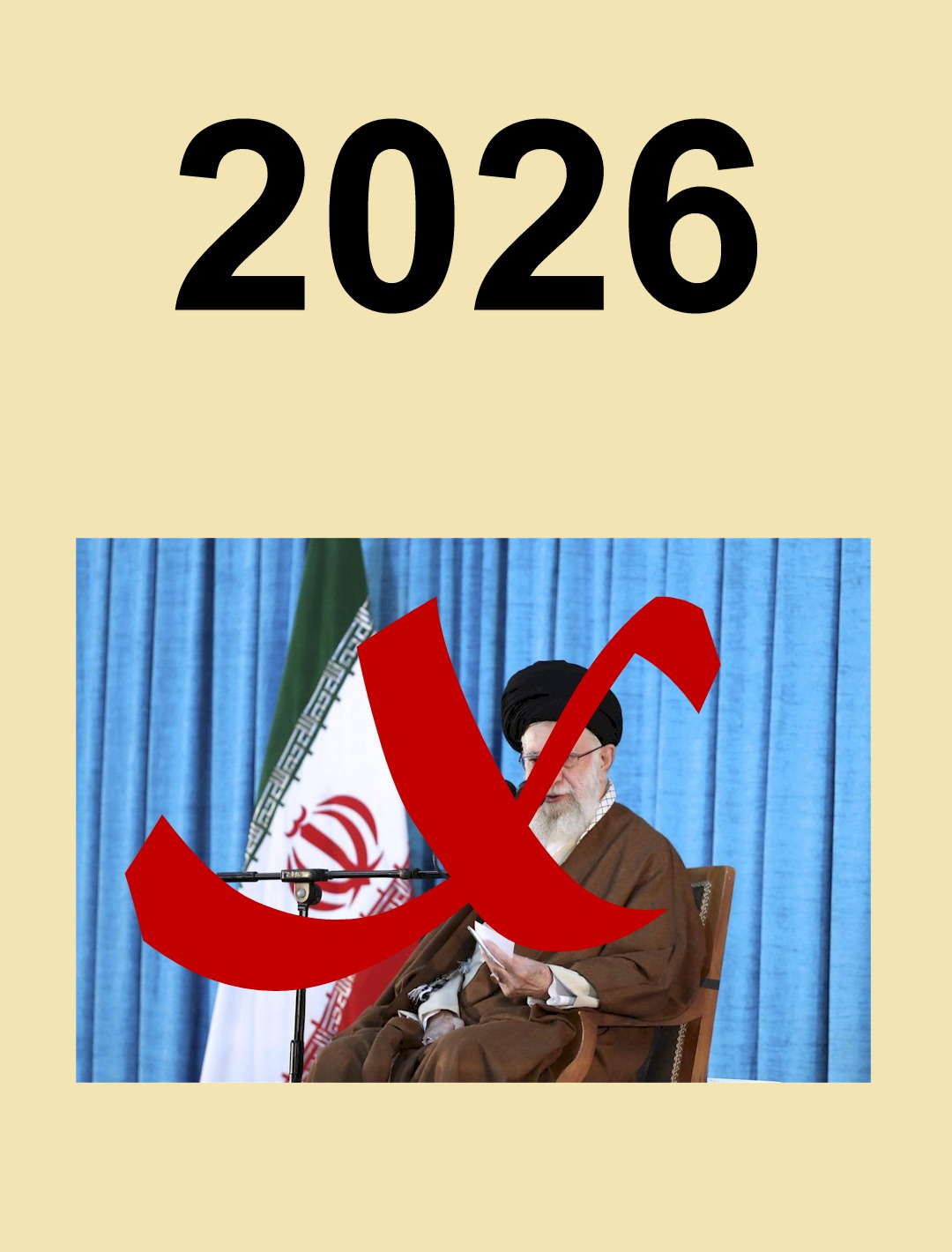
The military action undertaken against Iran, designed to prevent it from developing a nuclear arsenal, is the most significant since World War II.
Indeed, had similar preventive military action been taken against the Nazi regime in the 1930s, it might have saved as many as 50 million lives. If the military attack against Iran succeeds in preventing it from developing a nuclear arsenal, it too may prevent millions of deaths — we will never know how many.
We will only learn the deadly numbers if this attack fails and Iran develops and deploys nuclear weapons.
Preventive military actions are always controversial and often unpopular, because history is blind to the probabilistic future. If prevention succeeds, we never know its benefits. If it fails, we learn its costs the hard way.
Prevention failed in the run-up to the second World War, and we know its horrible costs. Had Great Britain and France engaged in a preventive war and destroyed the Nazi regime before it was fully armed, the preventive war itself would likely have caused thousands of deaths, for which those who precipitated it would have been condemned. They would not have been praised for preventing the millions of deaths that ultimately followed, however, since we would never know about them.
A similar lack of predictive knowledge shrouds the controversial decision by President Trump and Prime Minister Benjamin Netanyahu to launch the preventive military action now underway. We know of the 13 Americans, dozens of Israelis and the thousands of Iranians who have been killed during these actions. There have been many injuries as well. Every such death and injury is a tragedy, but we don’t know how many deaths and injuries have been and may be prevented. If this military action succeeds, we may never know.
Trump has said if the U.S. had not bombed Iran’s nuclear facilities back in June, Iran would already have a nuclear bomb and would have used it. That may or may not be accurate. We can never know for certain. But do we have to take that risk, and does Israel? Or are these two nations entitled — or perhaps obligated — to eliminate or at least reduce that risk by preventive military action? Should they have to wait until it is imminent, which may mean too late or almost too late to prevent it?
Britain and France waited too long to prevent Nazi Germany from taking over Europe. Had they not waited until the threat was already upon them — indeed, until after it manifested itself in the invasion of Poland — they might well have prevented World War II.
There is now talk of a possible deal to end the current military action. If a negotiated resolution succeeds in preventing the major harms that the military action was designed to prevent, that could be even better than a purely military victory — at least as long as the resolution is not a Munich-like surrender that encourages further aggression.
Trump has said that Iran has now agreed to end its quest for a nuclear bomb. A paper agreement is not enough, of course — Iran had previously said it would never try to pass the nuclear red line, and that was not true. Iran would have to surrender all of its nuclear material and subject itself to intrusive inspections that would absolutely guarantee that it could never obtain a nuclear weapon.
If this goal is accomplished, though — if Iran is truly prevented from obtaining nuclear weapons for the foreseeable future — then this preventive military action will have been a crucially important success. This would be true even if other goals, such as regime change in Iran, are not accomplished.
Eliminating Iran’s nuclear threat would be success enough. And such a success, produced by a combination of military action and diplomacy, would vindicate the concept of a preventive war conducted with precise goals in mind — in this case the elimination of the Iranian nuclear threat.